Subtotal ₦0.00

- Mondat to Friday: 9:00am - 22:00pm

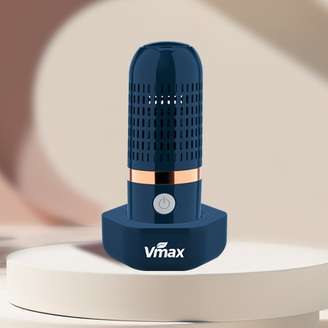
• High efficiency in pollutant degradation with no chemical residues.
• Applicable to gaseous, liquid, and solid pollutants.
• Water Treatment: Degrades pesticide residues and pharmaceuticals, disinfects water.
Availability: In Stock
Characteristics of Hydroxyl Radicals

Redox potential of 2.8 V (second only to fluorine), enabling rapid breakdown of organic molecular structures.

Reacts with nearly all organic compounds (e.g., VOCs, bacteria, pesticide,viruses, odor molecules).

Final reaction products are harmless substances like water (H₂O) and carbon dioxide (CO₂), avoiding secondary pollution.

Breaks chemical bonds in organic compounds (e.g., formaldehyde, benzene derivatives), converting them into small molecules (CO₂, H₂O).

Destroys cell membranes or protein structures of bacteria and viruses, rendering them inactive

Degrades malodorous molecules like hydrogen sulfide (H₂S) and ammonia (NH₃).

WHO reports ~600 million annual cases of food borne illnesses (420,000 deaths); pesticide exposure contributes to ~200,000 acute poisoning deaths yearly (primarily in developing countries).
1. Bacterial contamination: Causes acute illness, with life-threatening risks in severe cases.
2. Pesticide residues: Long-term exposure leads to cancer, neurotoxicity, and endocrine disruption.
Common Pathogens and Health Risks
Salmonella, E. coli, Listeria monocytogenes, and Staphylococcus aureus can cause:

Symptoms such as nausea, vomiting, diarrhea, and fever within hours of ingestion; severe cases may lead to dehydration, shock, or death.

Hemolytic uremic syndrome (HUS, linked to E. coli), meningitis (from Listeria), or chronic gastrointestinal damage.

Pregnant women infected with Listeria may miscarry; children, the elderly, and immunocompromised individuals face exacerbated symptoms.

Undercooked poultry, pork, or beef; cross-contamination (e.g., using the same cutting board for raw and cooked foods).

Contamination from fecal fertilizers, polluted irrigation water, or unsanitary processing.
Major Pesticide Types and Toxicity

Inhibit acetylcholinesterase, causing dizziness, convulsions, and potential neurodegenerative disorders with chronic exposure.

Disrupt endocrine function, potentially impairing fertility.

Classified as a “probable carcinogen” (Group 2A) by the International Agency for Research on Cancer (IARC); long-term exposure may increase lymphoma risk.

Excessive residues may harm the liver and immune system.

◉ Acute poisoning: High-dose ingestion leads to respiratory distress, seizures, or death (common in occupational exposure).
◉ Chronic effects
● Carcinogenicity: Certain pesticides are linked to liver cancer and breast cancer (e.g., DDT, an organochlorine pesticide).
● Developmental toxicity: Prenatal exposure may cause fetal malformations or intellectual delays.
● Endocrine disruption: Pyrethroids mimic estrogen, contributing to early puberty in children or adult infertility.
● Immunosuppression: Weakens resistance to infections and allergies.
Immature metabolic systems and higher pesticide intake per body weight. Neurotoxic effects may impair cognitive development (Harvard studies suggest organophosphates reduce IQ).

Weakened immunity raises the risk of sepsis or severe complications from bacterial infections.

Pesticides cross the placenta, increasing risks of preterm birth or low birth weight. Listeria infection may cause miscarriage or severe neonatal illness.

Applications & Advantages

Degrades organic pollutants (e.g., pesticides, pharmaceuticals,bacteria) and disinfects water.

Residue-free disinfection for medical devices and food processing equipment.
High efficiency in pollutant degradation with no chemical residues.
Applicable to gaseous, liquid, and solid pollutants.
Environmentally safe end products.

Reviews
There are no reviews yet.